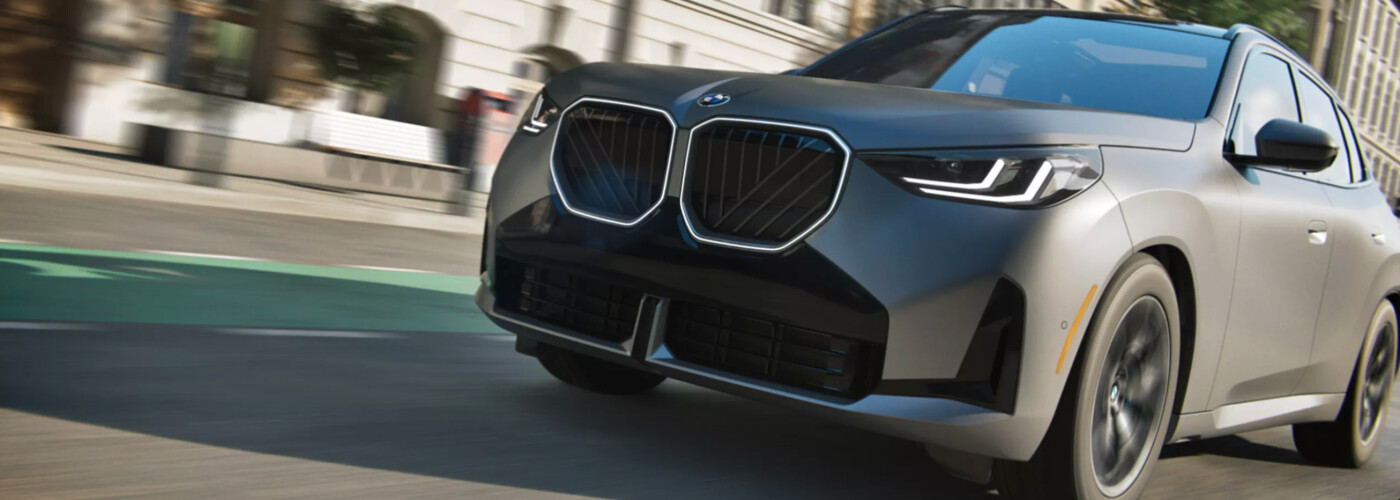
For drivers who demand performance, refinement, and everyday practicality from a luxury SUV, the BMW X3 vs. X5 comparison highlights two exceptional options. Whether you’re navigating the Research Triangle Park (RTP) commute or enjoying an evening out at The Streets at Southpoint, understanding how these SUVs differ helps you choose the best match for your lifestyle. In this BMW X3 vs. BMW X5 review, BMW of Southpoint will break down key areas where each model excels and what makes them stand out.
Vs.
Seating Capacity
Cargo Space
Behind 2nd Row
Wheelbase
Length
Height
Standard Horsepower
While these are both 2-row SUVs, the X3 is smaller than the X5, making it an ideal choice for Cary shoppers who want a nimble ride. On the other hand, the X5 has more interior space for those who want or need the additional room. View the exterior dimensions for these models here:
While the BMW X5 offers more cabin space than the X3, it can accommodate 4 passengers, whereas the X3 has 5 seats. Another distinguishing feature to note for these SUVs’ cabins is that the X5 has a bigger cargo compartment, which is preferable if you need that extra space. We’ve listed the key interior measurements below:
In terms of performance, the X3 delivers impressive power, though the X5 takes it to the next level with increased horsepower and a plug-in hybrid option. Regardless of which model you choose, you will experience high-end performance on your drives in Chapel Hill or Raleigh. View the engine options for both lineups below:
Our team will guide you through every detail of both models. Visit us in Durham to experience the precise handling and premium features that define both the 2026 BMW X5 and the X3.